
How to Polish Acrylic Sheets to a Crystal-Clear Finish
Acrylic’s strength, flexibility, and glass-like clarity make it one of the most popular plastics. Whether it is utilized in packaging, displays, furniture, or signage, polished acrylic gives every project a contemporary, expert appearance. Knowing how to polish acrylic sheets is essential if you work in plastic fabrication in Dubai. With years of expertise working with acrylic products, we at Pleasant Acrylic LLC are aware of how polishing can turn rough, drab surfaces into gleaming, crystal-clear finishes.
In this blog, we will go over how to polish acrylic plastic, how to polish acrylic edges, the benefits and applications of acrylic polishing, and why acrylic is still such a wise material for both personal and professional tasks.
Why Polishing Acrylic is Important
Polishing acrylic is more than just making it look nice. It also:
- Eliminates rough edges and scratches.
- Restores transparency and clarity.
- Prolongs the life of sheets of acrylic.
- Removes sharp corners, increasing safety.
- Improves any project’s overall appearance of professionalism.
A perfectly polished acrylic sheet reflects quality. Whether used for displays, furniture, or protective covers, polishing ensures the acrylic matches its purpose in both beauty and durability.
Methods: How to Polish Acrylic Plastic
Depending on your equipment, level of expertise, and desired finish, there are various methods for polishing acrylic. Let’s examine them in detail:
1. Hand Polishing
- For mild finishing or minor blemishes, hand polishing works best.
- Make use of a clean, soft cloth.
- Use a fine polishing product or non-abrasive acrylic polish.
- Rub gently in circular motions.
- Use a microfiber cloth to clean.
This slow but secure procedure works well for fragile objects or in situations where you don’t have access to machinery.
2. Flame Polishing
Professional Plastic Fabrication Dubai companies frequently utilize flame polishing.
- The surface of the acrylic is gently melted using a propane or hydrogen flame.
- Clarity is restored and rough spots are smoothed off by the heat.
- Ideal for small parts or straight edges.
This method requires skill. If not done correctly, the acrylic can burn or crack.
3. Machine Polishing (Buffing)
For large surfaces or thicker sheets:
- Make use of a soft cotton wheel on a buffing machine.
- Evenly apply polishing compound.
- In order to prevent overheating, buff at low to medium speed.
- Use a fresh polishing cloth to finish.
Machine polishing gives a professional, mirror-like finish.
4. Sanding Before Polishing
Sometimes scratches are too deep for simple polishing. In that case:
- Start with sandpaper (around 600 grit).
- Move gradually to finer grits (up to 2000).
- Sand evenly in one direction.
- Finish with hand or machine polishing for clarity.
This process takes more time but ensures even heavily damaged acrylic can look new again.
How to Polish Acrylic Edges
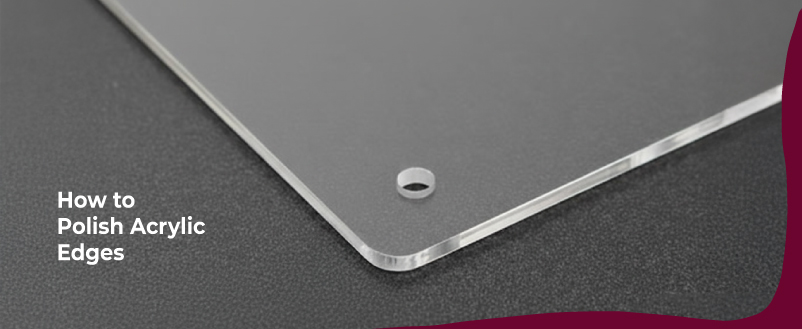
Polishing the edges is equally as crucial as polishing the flat areas. In addition to being safer, smooth edges provide things like display stands, tables, and signage a more elegant appearance.
Here’s how you can do it:
- Sand the Edge: Start with 400–600 grain coarse sandpaper and work your way up to finer grits.
- Buff the edge: Use a polishing wheel or a gentle cloth soaked in compound to buff the edge.
- Flame Polish for Perfection: Gently run a flame over the sanded edge to create a glossy finish.
Benefits and Applications of Acrylic Polishing
Polished acrylic isn’t just attractive-it is also highly practical. By polishing, the natural beauty of acrylic is enhanced, making it a top choice for a wide range of industries and applications.
Benefits of Polished Acrylic
Crystal Clarity: Acrylic is noted for its glass-like transparency, which is restored by polishing, giving it a glossy, high-end appearance.
Professional Appeal: Retail establishments, corporate offices, and signage projects all benefit from the refinement that a glossy, faultless finish brings.
Durability: Polishing acrylic sheets prolongs their life by preventing scratches and general wear.
Versatility: Polished acrylic is suitable for practically any project, from tiny ornamental items to massive industrial uses.
Applications of Polished Acrylic
Retail Displays: Products stand out and are highlighted with shiny acrylic.
Signage and branding: Signs that have polished edges are easier to see and appear more polished.
Furniture & Interiors: Gives cabinets, tables, and partitions a sleek, contemporary appearance.
Protective barriers: These are ideal for offices and public areas because they provide safety without obstructing vision.
Packaging: Exquisite acrylic containers or boxes enhance the appearance and worth of goods.
Common Mistakes to Avoid When Polishing Acrylic
- Overheating when flame polishing or buffing.
- Omitting grit levels or using the incorrect kind of sandpaper.
- Using abrasive cleansers that cause surface damage.
- Excessive polishing, which results in warping or cracks.
Professional vs. DIY Acrylic Polishing: What You Should Know
- For minor scratches and household tasks, DIY polishing is feasible.
- Longer durability, smoother edges, and more clarity are all benefits of professional polishing.
- Professional handling is advantageous for large-scale applications such as protective panels, furniture, and signage.
Future of Acrylic in Modern Design and Fabrication
- Growing use of acrylic in luxury interiors and architectural projects.
- Rising demand for polished acrylic in retail branding and packaging.
- Sustainability aspect: recyclable and long-lasting.
- How Dubai’s design industry is driving innovation in acrylic application
Tips for Maintaining Polished Acrylic
Acrylic appears bright and crystal-clear after polishing, but proper care is what maintains it that way for many years. Although acrylic is resilient, proper maintenance is necessary to prevent scratches and other damage. By following a few simple tips, you can protect its glossy finish and extend its lifespan.
Use Gentle Cleaners: Always use water and mild soap to clean acrylic. Steer clear of abrasive materials, glass cleaners, and powerful chemicals since they can harm the surface.
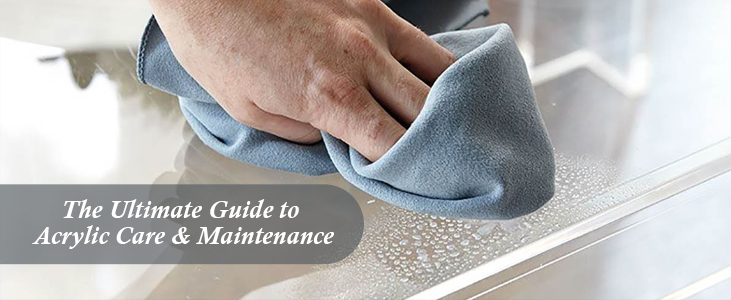
Wipe with a Soft Cloth: When cleaning, use a cotton or microfiber cloth. Rough materials can dull the acrylic’s sheen and cause scratches.
Prevent Scratches: Avoid scratches by keeping rough, heavy, or pointed objects away from surfaces made of polished acrylic. Over time, even minor scratches can reduce clarity.
Store Correctly: Keep acrylic sheets flat in a dry, clean location if you are not using them. Steer clear of stacking them with hard things that could get dented or marked.
Frequent Care: The surface can be kept clear and brilliant without frequent polishing with a rapid regimen of light washing and dusting.
Top Benefits of Acrylic Plastic: Why It’s a Smart Choice
Polishing makes acrylic even more appealing, but the material itself already offers several strong advantages.
Here’s why acrylic is considered one of the smartest choices in modern design and fabrication:
Lightweight but Strong: Acrylic weighs about half as much as glass, yet it is far more durable. This makes it easier to handle, transport, and install without compromising on strength.
Shatter-Resistant: Unlike glass, acrylic does not break into sharp, dangerous pieces. Instead, it is impact-resistant and much safer for homes, offices, retail stores, and public spaces.
Weather Resistant: Acrylic can withstand sunlight, rain, and varying temperatures, making it suitable for both indoor use and outdoor projects like signboards, partitions, and protective covers.
Simple to Fabricate: Acrylic is easily cut, bent, molded, etched, and polished at Plastic Fabrication Dubai workshops. Its adaptability enables countless imaginative creations.
Cost-effective: Acrylic is a durable material. It is less expensive than glass or other polymers, and because of its durability, it requires less upkeep and repair.
Clear and Bright: Over time, acrylic keeps its transparency. Even after years of use, it maintains its dazzling, glass-like aspect and doesn’t yellow.
Eco-Friendly Aspect of Acrylic
One more reason acrylic is a popular choice today is its eco-friendly nature. Unlike some plastics that wear out quickly, acrylic is long-lasting and can be reused for years without losing its clarity. It is also recyclable, which means old sheets can be repurposed into new products instead of ending up as waste.
This makes acrylic a more sustainable option for both businesses and individuals who care about reducing their environmental impact. By choosing polished acrylic, you not only get durability and style but also a material that supports greener practices.
Also read: What is Acrylic Material? Types, Benefits, and Applications
Final Thought
Learning how to polish acrylic plastic and how to polish acrylic edges helps you achieve professional-looking results and extend the lifespan of your acrylic products. From hand polishing to flame finishing, each method has its place depending on the type of project.
Acrylic polishing has countless uses and advantages, whether in furniture, packaging, retail, or signs. Acrylic is still one of the most reliable materials in contemporary architecture and building because of this.
At Pleasant Acrylic LLC, we always produce flawlessly polished acrylic by fusing our knowledge with cutting-edge methods. Our expertise in Plastic Fabrication Dubai guarantees that you will receive not only long-lasting acrylic items but also a distinctive, crystal-clear finish.
What’s the easiest way to polish acrylic at home without special tools?
If you don’t have machines, use hand polishing. Take a microfiber cloth and apply a non-abrasive acrylic polish (or even toothpaste in emergencies). Rub gently in circular motions until the surface clears up. It’s slow but safe.
Is flame polishing acrylic safe for beginners?
Not really. Flame polishing needs practice because too much heat can burn, bubble, or crack the sheet. If you’re new, stick to sanding + buffing. Leave flame polishing to pros or test on scrap pieces first.
How do I fix deep scratches in acrylic sheets?
Deep scratches won’t disappear with polish alone. Start by wet sanding with 600–800 grit sandpaper, then gradually move up to finer grits (1500–2000). Once smooth, polish with a buffing compound or polishing wheel to restore clarity.
Can acrylic edges be polished to look like glass?
Yes. First sand the edges (starting at 400 grit, moving up to 2000). Then either buff with a polishing wheel or lightly flame-polish. Done right, the edges look as clear as glass and feel smooth to the touch.
Can I polish acrylic with car polish or wax?
Yes, some people use car polish or plastic headlight restoration kits for small projects. Just make sure it’s non-abrasive and safe for plastics. Avoid strong solvents.